
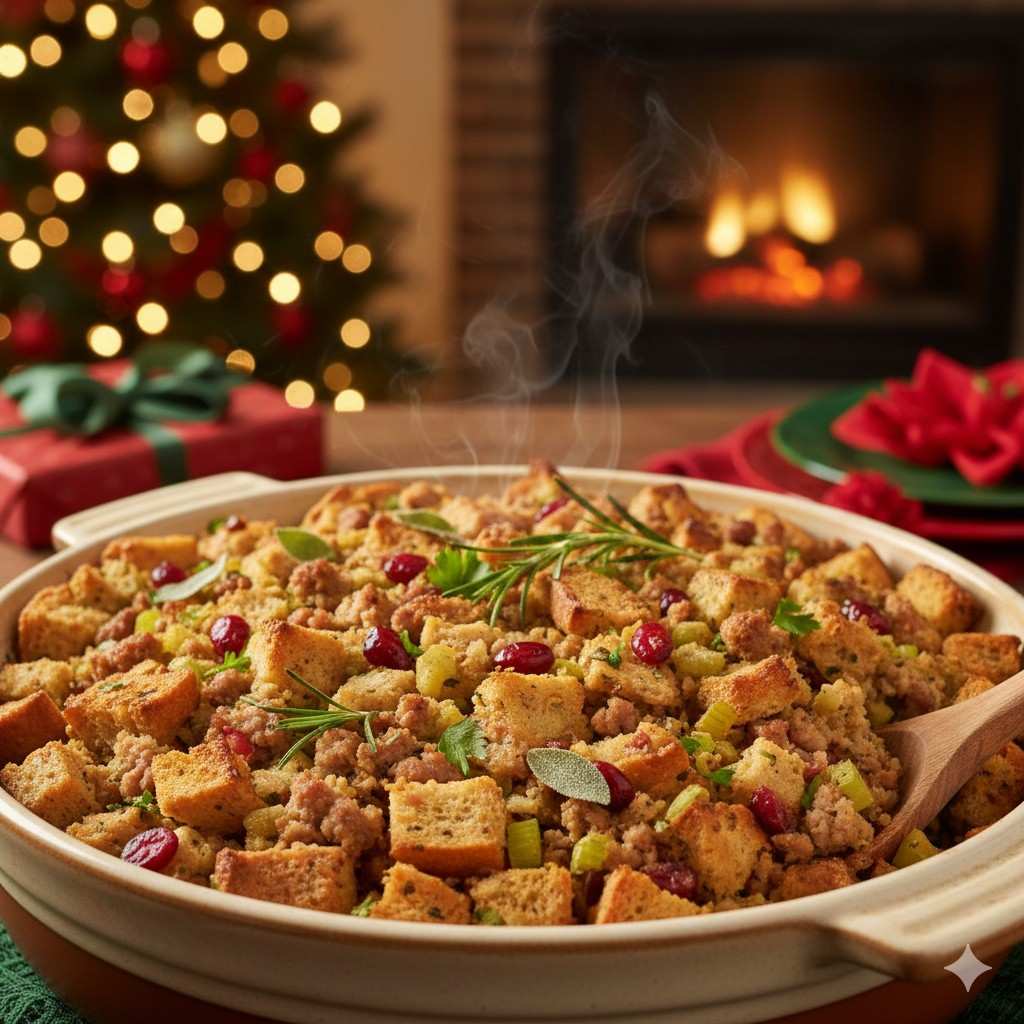
There’s a universal truth in holiday cooking: the turkey gets the applause, the ham steals some glances, but the stuffing quietly makes or breaks the meal. If your stuffing is dry, bland, or confused, it doesn’t matter how perfect the main course is – guests notice.
Stuffing is more than “bread in a pan.” It’s a flavor bridge, a texture contrast provider, and in some cases, the reason people ask for seconds before dessert even appears.
I’ve spent years behind stoves, smokers, and ovens watching stuffing earn its stripes as the unsung MVP of holiday tables, and I can tell you: mastering stuffing is both an art and a survival skill for any holiday cook.
This article dives deep into what makes stuffing shine, why it matters, and how to elevate it without ever touching a recipe, so you can host stress-free and still impress every guest.
Why Stuffing is the Soul of the Holiday Table
Most people underestimate stuffing. They see it as a supporting act – something to fill gaps on the plate. But here’s the pitmaster truth: stuffing is the glue that holds the entire meal together.
It balances richness, adds texture, and introduces aromas that make the dining experience feel complete. When you bite into stuffing with a slice of turkey, or alongside ham or roast beef, that’s where holiday magic happens.
I once skipped stuffing entirely because I thought my turkey would shine on its own. Big mistake. My family staged a silent protest, and I had to bake a last-minute batch – never underestimate its power.
Stuffing’s versatility also allows it to pair with virtually any main course, making it a reliable hero for mixed holiday menus.
The History of Holiday Stuffing
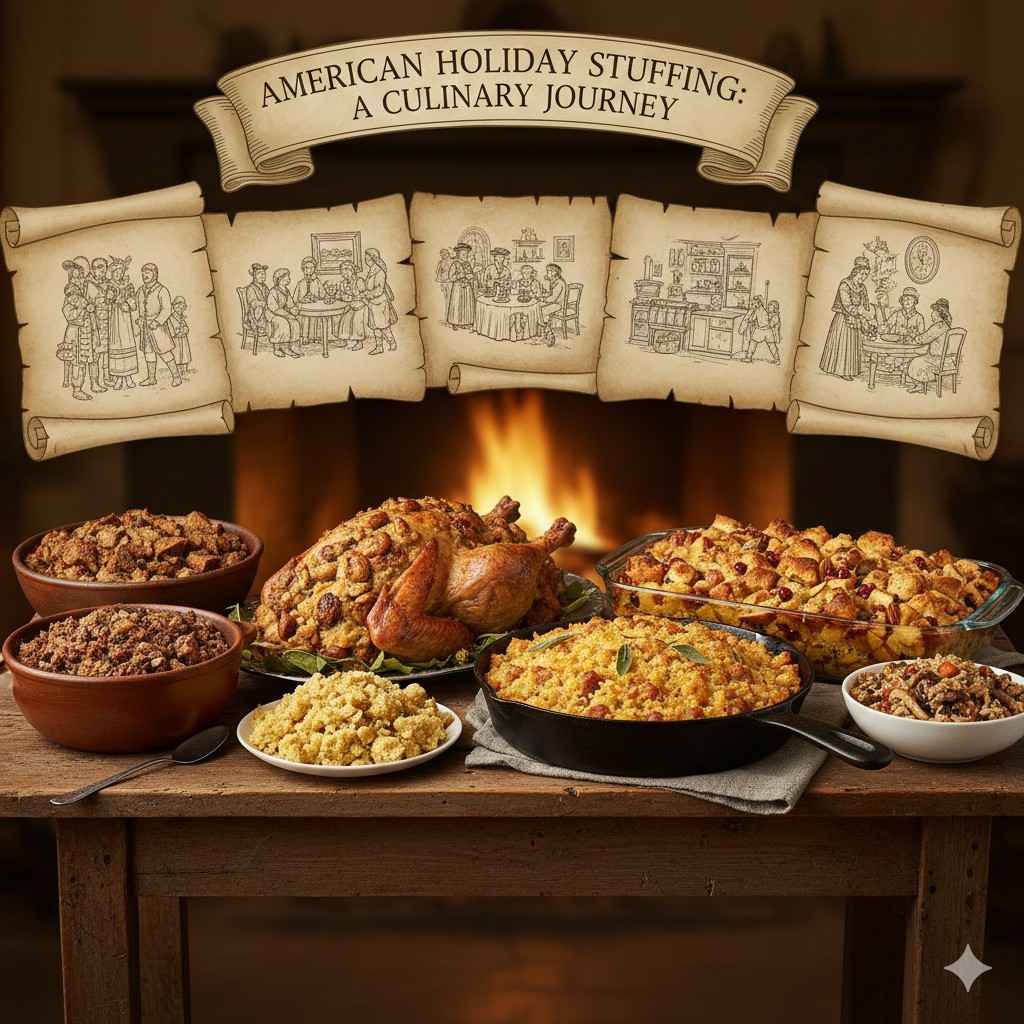
Stuffing isn’t just a modern convenience – it has centuries of tradition. Originally, cooks stuffed whole birds with breadcrumbs, herbs, and vegetables to add flavor and stretch meals.
Over time, stuffing evolved into a standalone side dish, often baked separately to ensure even cooking and crispiness. Different regions developed their own twists – Southern cornbread stuffing, New England oyster stuffing, and even Scandinavian variations with dried fruits and spices.
Fun fact: Stuffing has sometimes been called “dressing” in Southern kitchens because it’s often baked outside the bird. Regardless of the name, its role as a centerpiece is universal.
Understanding its history helps explain why stuffing is more than filler – it’s tradition, culture, and comfort rolled into one pan.
Why Texture Matters More Than You Think
Flavor is important, sure – but texture is what separates good stuffing from unforgettable stuffing. Think about it: you want a soft, moist interior with a crispy, golden top, offering contrast with the tender meat.
Texture gives stuffing its presence on the plate. If it’s all mush, all dry, or all crunch, it can feel one-dimensional. Layering textures – soft bread, crisped edges, tender vegetables – creates a dynamic bite that keeps people reaching back for more.
Pitmaster insight: Treat stuffing like a well-grilled brisket. You want balance, layers, and a little bite at the edges.
Aromatics: The Secret Weapon of Stuffing
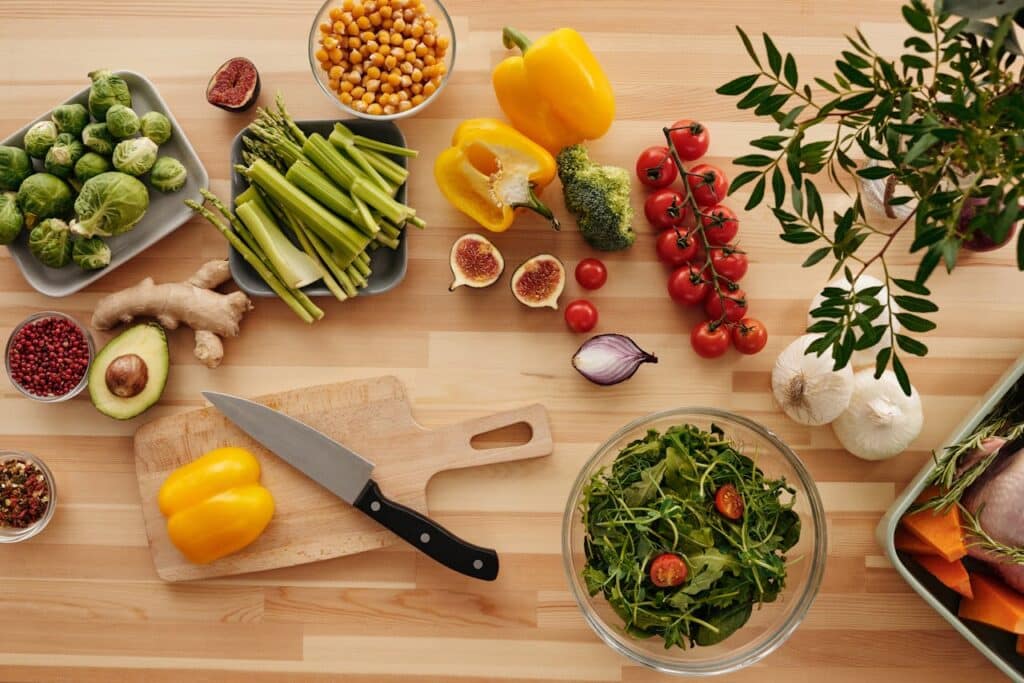
If flavor is king, aromatics are the crown jewels. Onions, celery, garlic, and carrots may seem humble, but they are the foundation of stuffing that “sings.”
Sautéing them properly releases sweetness and depth. Add herbs like sage, rosemary, and thyme, and suddenly the entire kitchen smells like a holiday miracle. Aromatics are the unsung heroes that make every bite memorable, even before the first fork hits the plate.
Humor moment: I once walked into a house where stuffing was prepped without onions or celery. Let’s just say… you could hear my stomach sigh in disappointment.
Stuffing as a Flavor Bridge
Stuffing is a rare side dish that actually unites all the flavors on the plate. A little bread absorbs gravy. Herbs complement turkey. Fatty mains get balanced with herbs and aromatics. Sweet notes from cranberries or apples enhance richness.
It’s like the universal translator of holiday flavors – it makes everything taste intentional rather than accidental.
Stuffing and Holiday Stress: How It Can Help You Win
Let’s be honest: holidays are stressful. Guests arrive at unpredictable times, ovens are maxed out, and sides are competing for attention. A well-planned stuffing can act as your safety net.
- It can feed unexpected guests without extra effort.
- It can absorb over-saucy mains without complaint.
- It can stand on its own if a dish falls short elsewhere.
Pitmaster tip: Think of stuffing as your holiday Swiss Army knife. Flexible, forgiving, and always appreciated.
Regional Twists on Savory Stuffing
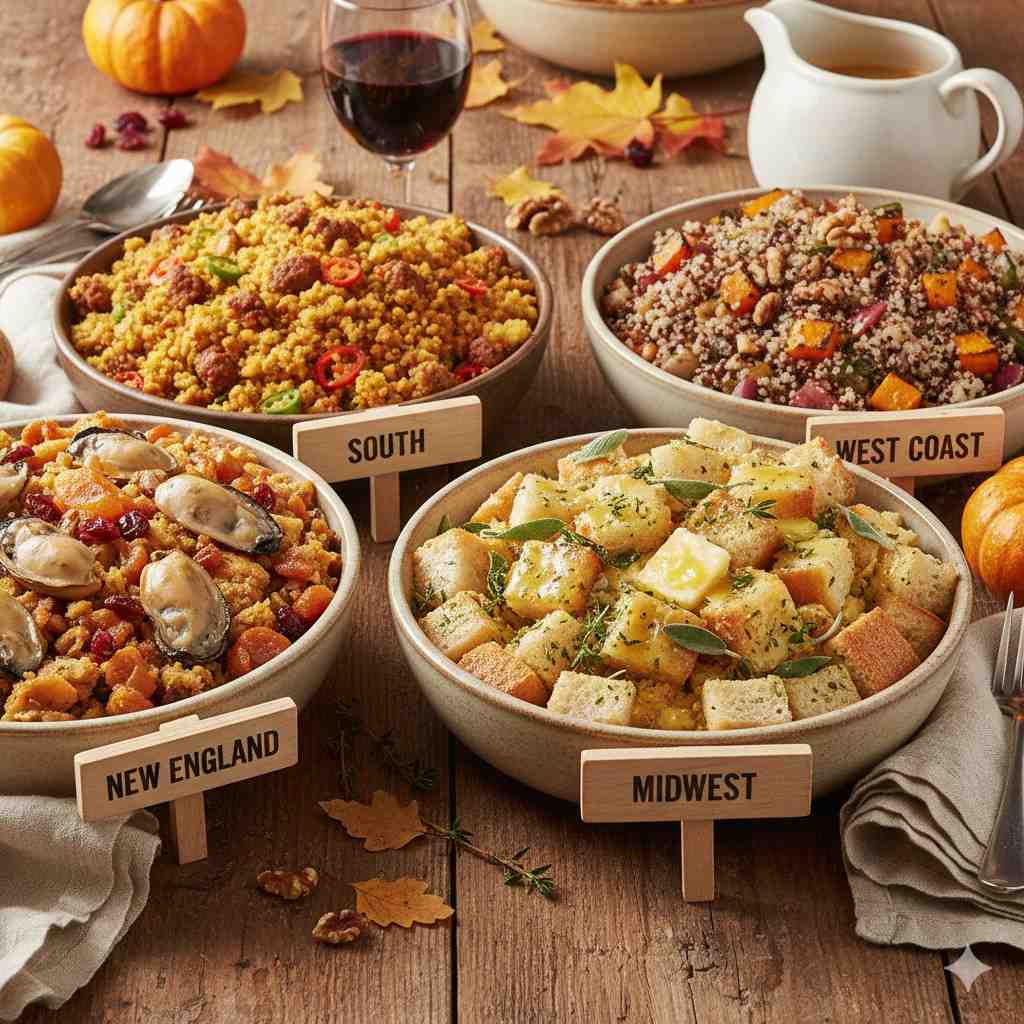
Every region has its personality, and stuffing is no exception:
- New England: Often includes oysters or dried fruits, adding subtle brininess or sweetness.
- South: Cornbread stuffing is king, sometimes spiced with sausage or local chili.
- Midwest: Classic bread and herb versions, heavily buttered for comfort.
- West Coast: Seasonal veggies, nuts, and sometimes quinoa or rice for a modern twist.
Exploring regional differences is a fun way to add uniqueness to your table without losing the essence of what makes stuffing great.
Stuffing Without Meat: The Vegetarian Advantage
Stuffing doesn’t need sausage, bacon, or chicken broth to shine. A vegetarian version can still be rich, satisfying, and impressive.
Use vegetable stock, mushrooms, nuts, and herbs to add depth and umami. This approach not only caters to dietary preferences but also highlights the natural flavors in bread and aromatics, proving stuffing is more than just a meat carrier.
How Stuffing Shapes the Dining Experience
Think of stuffing as a pacing tool for the meal. It slows down overly fast eaters, encourages conversation, and provides a comforting “home base” on the plate.
It’s not just about eating – it’s about creating the cozy, full-bodied holiday experience that guests remember long after dessert. A perfect bite of stuffing can evoke nostalgia, warmth, and even a little friendly debate about whose family recipe is best.
Stuffing and Plate Presentation
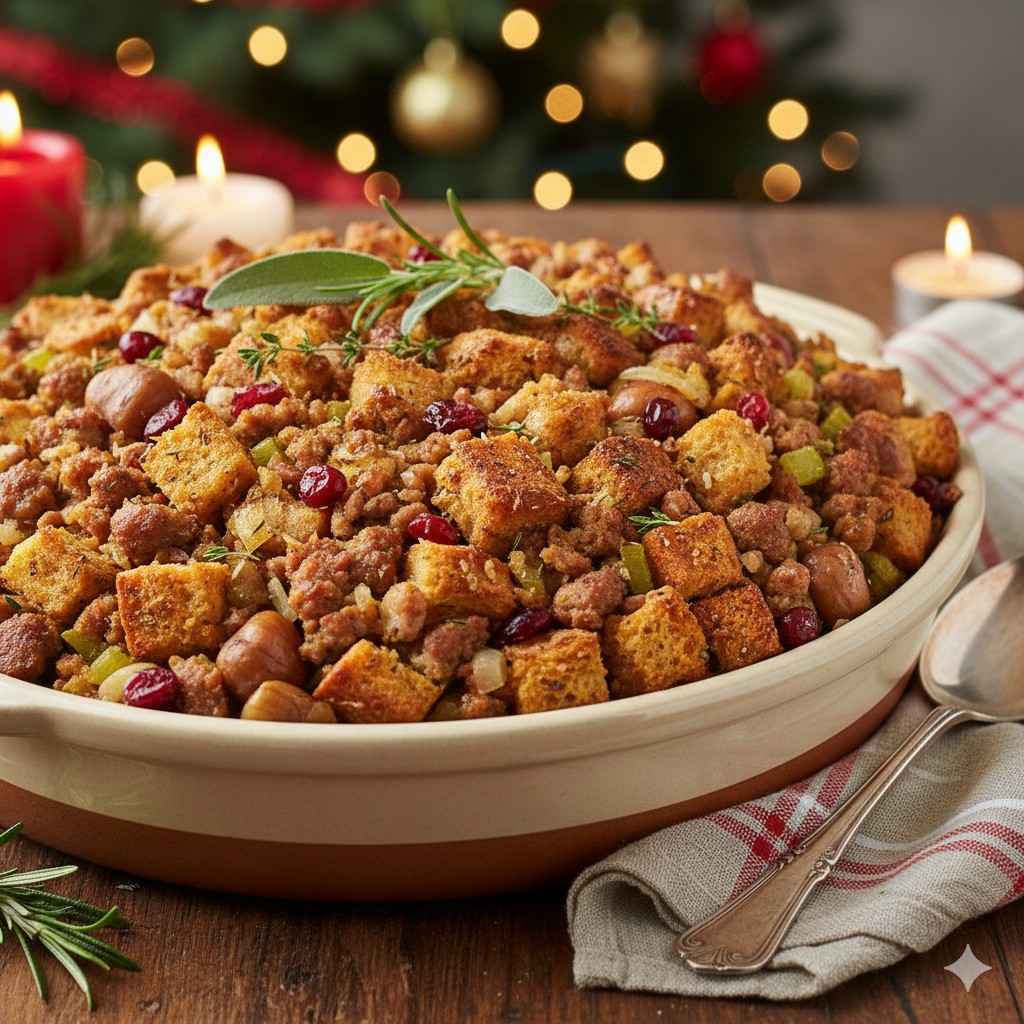
Yes, stuffing looks great too. Its golden, crisp edges and rustic appeal make it a natural centerpiece. Arranging it next to mains, drizzling gravy, or topping with fresh herbs gives your plate a restaurant-quality aesthetic without requiring advanced plating skills.
Pitmaster note: Never underestimate the power of visual appeal. People eat first with their eyes, and stuffing delivers on both taste and look.
Stuffing and Holiday Aromas: The Smell Factor
Walk into any house with stuffing in the oven and tell me it doesn’t feel like Christmas. Aromas trigger memory, appetite, and anticipation.
The smell of sautéed aromatics, herbs, and baked bread is almost Pavlovian – it signals that something comforting and indulgent is coming. The aroma alone can make guests happy before the first bite.
Stuffing as a Conversation Starter
Believe it or not, stuffing can spark conversation. Talk about family traditions, regional twists, or secret ingredient debates.
From who likes sausage versus apple, to crunchy top versus soft center, stuffing invites stories and opinions, making it socially interactive in a way most sides aren’t.
Stuffing Storage and Leftover Wisdom
Even without recipes, knowing how to handle stuffing after the meal is critical:
- Cool before refrigerating to prevent sogginess.
- Reheat gently to preserve texture.
- Transform leftovers into new dishes: topping for casseroles, breakfast hash, or even sandwich filling.
Pitmaster tip: Treat leftover stuffing like treasure – it’s worth preserving creatively.
Stuffing Myths Debunked
- Myth 1: Stuffing has to be cooked inside the bird. False. Baking separately gives better texture and safety.
- Myth 2: Stuffing is always rich and heavy. Not true – herb-forward versions are light and aromatic.
- Myth 3: Only bread-based stuffing counts. Grains like quinoa, wild rice, or farro can create innovative alternatives.
Truth: Stuffing is flexible, forgiving, and adaptable – don’t let tradition scare you.
The Psychology of Stuffing: Why We Love It
Stuffing hits multiple pleasure points:
- Comfort: Soft bread, savory herbs, familiar flavors.
- Nostalgia: Smells and textures trigger childhood memories.
- Satisfaction: It balances flavors and textures, creating a “complete” plate.
In other words, stuffing isn’t just food – it’s emotional design on a plate.
FAQs
What makes stuffing essential for a holiday meal?
Stuffing is more than a side – it’s a flavor bridge, texture contrast, and aromatic powerhouse that complements turkey, ham, beef, or vegetarian mains. It ties the entire plate together and elevates the meal experience.
Can stuffing be made vegetarian or vegan?
Absolutely. Skip sausage or animal-based stock and use vegetable stock, mushrooms, nuts, and herbs. Even without meat, stuffing can be rich, aromatic, and satisfying.
Does stuffing have to be cooked inside the bird?
Not at all. Baking stuffing separately gives better texture, even cooking, and safety. While cooking inside the bird is traditional, a separate dish ensures a crispy top and moist interior.
How do I avoid dry or soggy stuffing?
Balance is key:
- Bread should be dried or slightly toasted to absorb moisture.
- Add stock or liquid gradually.
- Avoid overmixing to preserve texture.
- Cover while baking initially, then uncover for a crisp top.
How long can stuffing sit before serving?
Keep stuffing warm, covered, and out of the danger zone. Ideally, serve within two hours of baking for optimal flavor and safety.
What are some interesting regional variations of stuffing?
- New England: Includes oysters or dried fruits for sweet-salty notes.
- Southern U.S.: Cornbread base, often with sausage or local spices.
- Midwest: Butter-heavy, classic bread and herb blends.
- West Coast: Seasonal vegetables, nuts, and creative grains like wild rice or farro.
Can stuffing be made ahead of time?
Yes! Prepare bread, aromatics, and optional add-ins in advance. Assemble the stuffing a day before and bake just before serving. Flavors marry beautifully when made ahead.
Why does stuffing smell so good?
Aromatics like onions, garlic, celery, carrots, and herbs release complex scents when cooked, triggering appetite and nostalgia. The aroma alone often makes guests happy before they even taste it.
Can stuffing be repurposed after a holiday meal?
Definitely. Leftovers can become:
- Breakfast hashes
- Casserole toppings
- Sandwich fillings
Treat stuffing like culinary gold – it’s versatile and forgiving.
What’s the most common mistake people make with stuffing?
Trying to make it the star of the plate. Stuffing works best as a supportive, balanced side – enhancing mains rather than competing. Proper seasoning, texture, and moisture are far more important than flashy ingredients.
Stuffing as the Unsung Hero
At the end of the day, holiday meals are about connection, comfort, and joy. Savory stuffing plays a quiet but essential role in that story.
It’s versatile, aromatic, visually appealing, and comforting. It can carry flavors, balance dishes, and elevate simple mains into memorable feasts.
Mastering stuffing isn’t about complex techniques – it’s about understanding flavor, texture, and timing, and respecting its place as the glue of holiday dining.
Pitmaster final thought: Serve great stuffing, and you might just find it’s the dish that people remember most – even above the turkey.
Featured image credit: Google Gemini
