
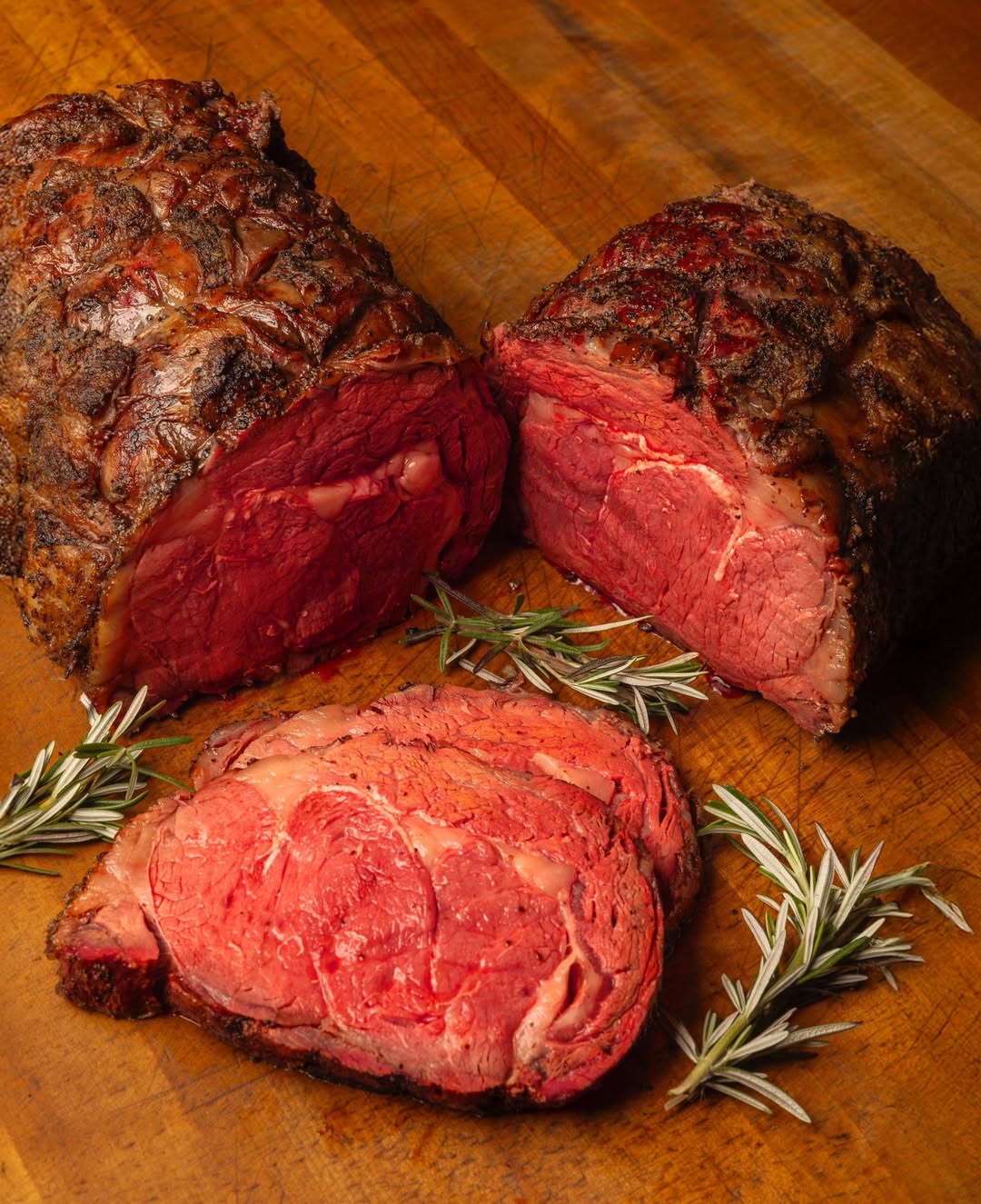
Winter is officially here – cold winds, early nights, and the kind of chill that makes you dream of hearty, comforting meals. Enter the smoked prime rib, a show-stopping centerpiece that doesn’t just fill plates – it warms the soul.
Unlike traditional roasts that risk being dry or boring, a properly smoked prime rib delivers juicy, tender meat infused with rich, smoky flavor that lingers long after the first bite.
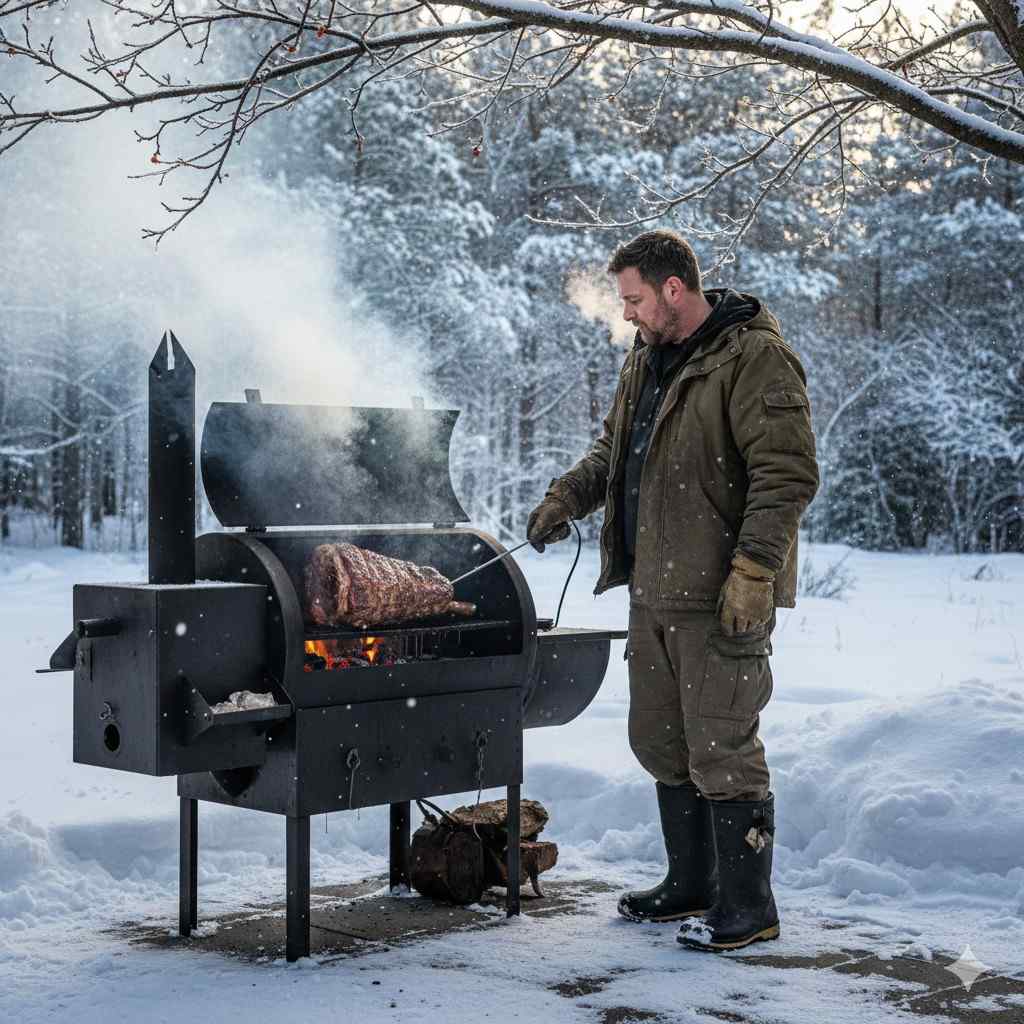
Imagine the scene: the smoker gently puffing aromatic smoke, a group of friends or family huddled around the kitchen, laughter in the air, and the aroma of seasoned prime rib wafting through the house. That’s the magic of winter cooking done right.
This guide is your roadmap to pitmaster-level smoked prime rib at home. We’ll cover everything from choosing the perfect cut and seasoning like a pro, to smoking it low-and-slow for maximum flavor, resting, carving, and pairing it with winter-ready sides.
By the end, you’ll be ready to serve a winter dinner that impresses, nourishes, and keeps everyone coming back for seconds. Cozy, flavorful, and undeniably festive – this smoked prime rib is winter done right.
Choosing the Perfect Wood for Winter Smoke
The wood you choose transforms your smoked prime rib from good to legendary. Hickory brings that classic, bold smoke flavor, while applewood adds a subtle sweetness that balances rich meat.
Oak is the all-rounder – steady, balanced, and perfect for longer cooks. Fruit woods, like cherry or maple, can infuse a gentle aroma that pairs beautifully with root vegetables. For winter, think cozy: you want warmth in every bite, not an overpowering campfire taste.
Experiment by mixing woods: hickory for depth, a hint of apple for sweetness. Pro tip: soak fruitwood chips briefly for a slow, consistent smoke. Your winter dinner becomes a flavor story – each bite whispering smoky, savory comfort.
Mastering the Art of the Bark
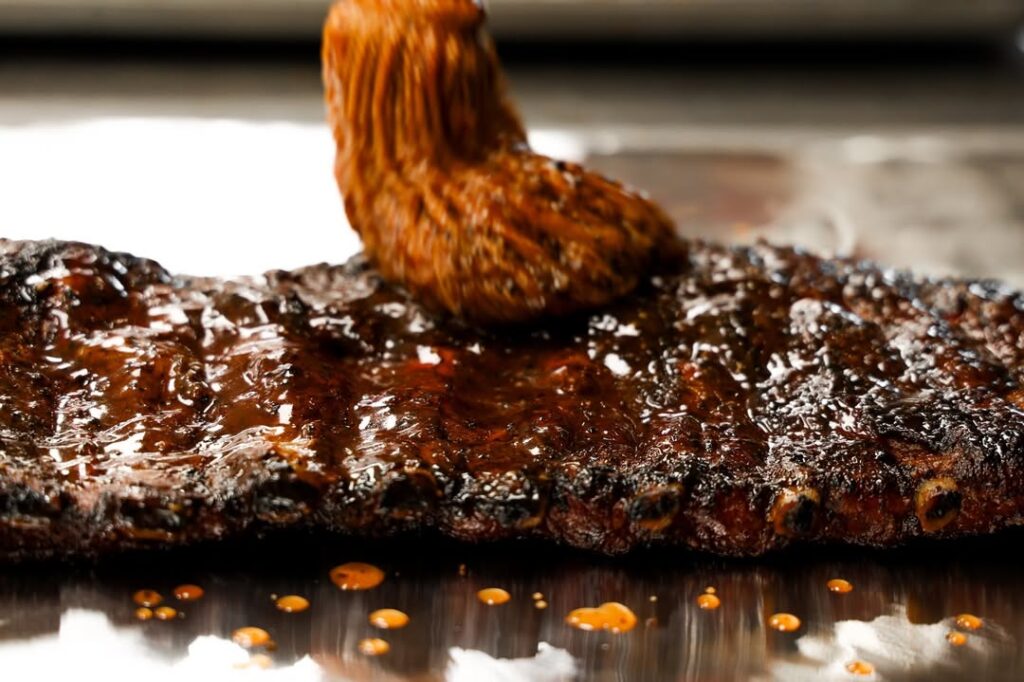
The bark on a smoked prime rib is the crown jewel of low-and-slow cooking. That flavorful, slightly crispy crust forms when spices, fat, and smoke meet heat in perfect harmony. Achieving it requires patience, a well-seasoned rub, and a steady smoker temperature around 225–250°F.
Don’t wrap the roast too early – let the crust develop naturally. A little patience yields maximum reward: a bite that contrasts the tender interior with crunchy, smoky exterior.
Fun tip: lightly mist the roast with apple juice or a mix of water and herbs during smoking to enhance caramelization without steaming it.
A great bark isn’t just for show – it’s flavor, texture, and winter comfort in every bite.
Winter-Ready Marinades and Rubs
A prime rib shines on its own, but marinades and rubs elevate it to festival-level flavor. For winter, think warm spices and herbs: garlic, rosemary, thyme, smoked paprika, and a hint of cayenne.
Marinades can include olive oil, lemon juice, soy or Worcestershire sauce, and fresh herbs to penetrate the meat. Dry rubs, on the other hand, create that coveted bark while enhancing aroma.
For an extra twist, mix brown sugar for subtle caramelization or mustard powder for a tangy kick.
Pro tip: season generously and let the roast rest 1–2 hours before smoking – or overnight if you have time. This ensures every bite delivers depth, warmth, and a savory winter punch.
Pairing Smoked Prime Rib with Cozy Sides
A star roast deserves supporting acts that complement, not compete. Think roasted root vegetables, garlic-buttered kale, or honey-glazed carrots for warmth and color. Creamy sides like mashed potatoes, polenta, or sweet potato mash add comfort, while light winter salads provide balance.
Sauces like horseradish cream, chimichurri, or a simple au jus from the drippings elevate each slice. Pairing drinks is part of the fun: bold red wines, dark beers, or smoky whiskeys work beautifully with rich, smoky meat.
Presentation matters too – arrange veggies around the roast and sprinkle with fresh herbs. Winter dinners are cozy experiences, and thoughtful pairings turn your smoked prime rib into a complete sensory celebration.
Common Pitmaster Mistakes (and How to Avoid Them)
Even experienced pitmasters slip up. One common mistake: cooking too hot, which dries out your smoked prime rib. Solution: low-and-slow smoking and monitoring internal temperature. Another: skipping the rest period, which lets juices redistribute – always rest 20–30 minutes.
Over-saucing can mask flavor; let the bark shine. Choosing the wrong wood or inconsistent smoke can overpower the roast. Finally, under-seasoning is a cardinal sin – don’t be shy with salt, pepper, and herbs.
Pro tip: use a probe thermometer instead of guesswork. Winter wins aren’t about shortcuts – they’re about patience, temperature control, and respecting the meat.
Follow these tips and your roast will be tender, flavorful, and Instagram-worthy.
Making Smoked Prime Rib a Winter Tradition
A great smoked prime rib isn’t just dinner – it’s a ritual. Once you’ve nailed low-and-slow cooking, seasoning, and pairing, it can become a centerpiece for holiday gatherings, winter celebrations, or cozy weekends.
Invite friends and family, fire up the smoker, and let the aroma fill the house – it’s a sensory cue for warmth, comfort, and connection. Document your process, try different rubs or wood blends each year, and make notes for next time.
Over time, you’ll develop signature flavors and traditions. Winter dinners become more than meals – they’re memories, laughter, and stories shared over tender, smoky meat. Every slice tells a story: your story, pitmaster style.
Serving Suggestions & Pairings
A smoked prime rib is the star – but sides make it shine.
- Vegetable pairings: Roasted root vegetables, garlic-buttered winter greens, or honey-glazed carrots.
- Carbs: Mashed potatoes, sweet potato mash, or creamy polenta.
- Sauces: Horseradish cream, chimichurri, or simple au jus from drippings.
- Beverage pairings: Bold red wine, dark beer, or a smoky whiskey works beautifully.
Presentation tip: Let the roast sit in the center of the platter with colorful veggies around. A sprinkle of fresh herbs adds color and a flavor pop. Winter dinners = cozy + Instagram-worthy.
Pitmaster Tips & FAQs
- Smaller roast? Adjust smoking time and monitor temperature carefully.
- What wood to use? Hickory for depth, applewood for subtle sweetness, or oak for balance.
- Avoiding dryness: Keep fat cap, low-and-slow cooking, and proper resting.
- Making ahead: You can smoke a day before, then reheat gently in the oven. Flavor improves with patience.
Tip: A probe thermometer is your best friend. Trust it, not guesswork.

Final Thoughts
This smoked prime rib isn’t just a meal – it’s a winter experience. Juicy, tender, smoky, and full of flavor, it warms the soul and elevates any cozy gathering.
Fire up the smoker, season with love, and follow the steps above. Your friends, family, and taste buds will thank you. Winter wins, one slice at a time.
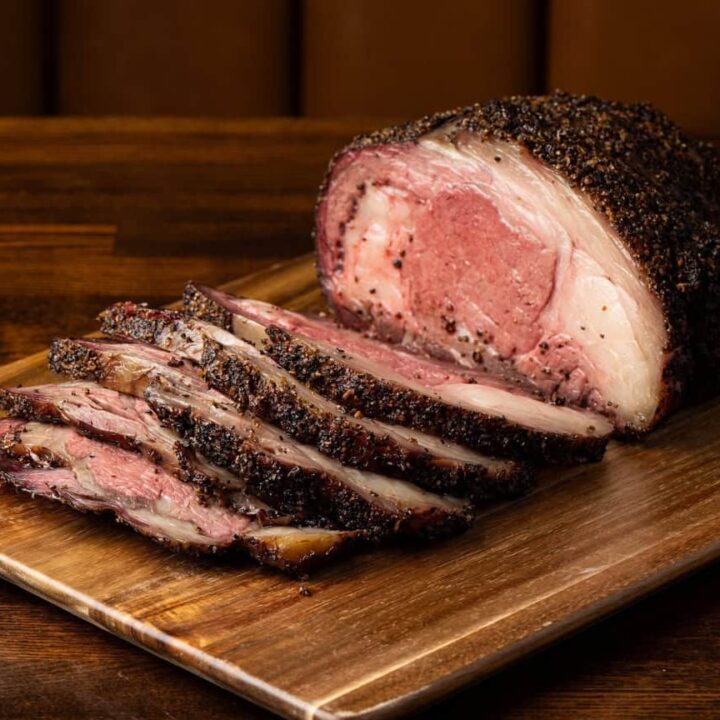
Winter Smoked Prime Rib
Image credit: @bludsosbbq
Ingredients
For the Prime Rib Roast:
- 1 (5–6 lb) bone-in prime rib roast (USDA Choice or higher)
- 2–3 tbsp olive oil (for rubbing)
- 3–4 cloves garlic, minced
- 2 tsp kosher salt
- 1 tsp freshly ground black pepper
- 1 tsp smoked paprika (optional for extra smokiness)
- 1 tsp dried thyme
- 1 tsp dried rosemary, crushed
- ½ tsp cayenne pepper (optional, for subtle heat)
Marinade Option (for extra flavor, optional)
- ¼ cup olive oil
- 2 tbsp soy sauce or Worcestershire sauce
- 2 tbsp lemon juice
- 2 cloves garlic, minced
- 1 tsp smoked paprika
- 1 tsp fresh rosemary, chopped
- ½ tsp black pepper
Dry Rub Option (alternative to marinade)
- 2 tbsp kosher salt
- 1 tbsp black pepper
- 1 tbsp garlic powder
- 1 tsp smoked paprika
- 1 tsp dried thyme
- ½ tsp onion powder
- Instructions: Pat roast dry, rub with olive oil, then evenly coat with dry rub. Let rest 1–2 hours or refrigerate overnight for deeper flavor.
Instructions
1. Choosing the Right CutThe first secret to a perfect smoked prime rib? Quality meat.
- Cut selection: Bone-in or boneless prime rib roast, USDA Choice or better. Bone-in adds flavor and keeps the meat juicy.
- Marbling matters: Look for a roast with even fat distribution – think threads of white running through the red. More marbling = more flavor and tenderness.
- Size: For gatherings, estimate 1 pound per person. Smaller roasts work too, just adjust smoking time.
Pitmaster note: Don’t skimp here. A well-marbled, high-quality roast is your shortcut to winter bliss. Cheap meat will fight you the entire cook.
2. Preparing Your Prime RibPreparation sets the stage for success.
- Trimming: Remove excess silver skin but keep some fat cap – it bastes the meat naturally.
- Seasoning: Keep it classic with salt, pepper, garlic, thyme, and rosemary. For a smoky twist, add smoked paprika or a pinch of cayenne.
- Dry rub vs marinade: Dry rubs are simple and stick well during smoking. Marinades can add depth if you prefer extra flavor infusion.
- Rest time: Season your roast at least 1–2 hours before smoking, or overnight in the fridge for deeper flavor penetration.
Pitmaster tip: Think of seasoning like armor for your roast – it protects, enhances, and eventually delivers flavor right to the center.
3. Smoking TechniqueSmoking is where the magic happens.
- Temperature: Keep the smoker at 225–250°F for a low-and-slow cook. This ensures even cooking and tender meat.
- Wood selection: Hickory, oak, or applewood. Hickory = classic smoky depth, applewood = subtle sweetness, oak = balanced all-rounder.
- Placement: Roast fat-side up for natural basting. Use indirect heat to avoid flare-ups.
- Monitoring: Use a probe thermometer. Target internal temp: 120–125°F for rare, 130–135°F for medium-rare.
- Creating bark: Smoke naturally forms a flavorful crust – don’t rush it. Patience is key.
Pitmaster advice: Balance is everything. Too much smoke and your roast tastes like a campfire; too little and it’s bland. Aim for a gentle, aromatic infusion.
4. Resting and CarvingAfter all that smoke and heat, your smoked prime rib deserves a rest.
- Resting time: 20–30 minutes under foil. This lets juices redistribute for ultimate juiciness.
- Carving tips: Slice against the grain for tenderness with a top quality carving knife. Bone-in roasts? Carve around the bones first.
- Optional bonus: Save drippings for a simple au jus or gravy.
Pitmaster anecdote: I once skipped resting. Let’s just say everyone got a slightly disappointing “medium-rare meets juice puddle” experience. Lesson learned: never underestimate resting.
Featured image credit: @greenstreetsmokedmeats
