
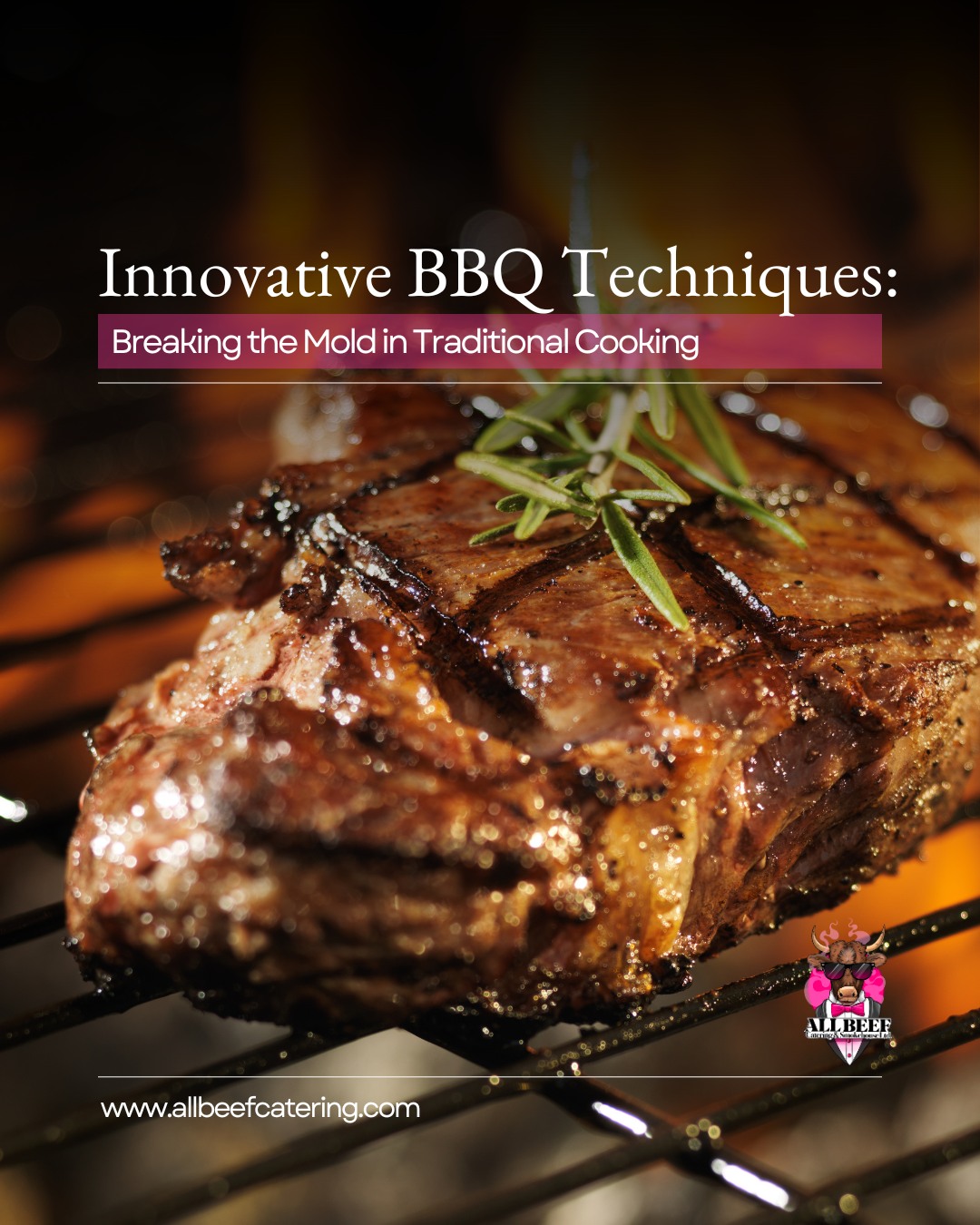
BBQ isn’t just food – it’s a ritual, a science experiment, and sometimes a little bit of magic. But here’s the thing: everyone thinks they know BBQ.
And yes, we all love brisket and ribs – but what if you could break away from the norm and create a unique BBQ recipe that’s all your own?
That’s the essence of the Pitmaster Challenge. It’s about taking the meat you love, pairing it with flavors that excite you, and creating a dish that’s unmistakably yours.
Think of it as a culinary playground: smoke, spice, sweetness, tang, fire, and a bit of courage.
In this guide, I’ll walk you through everything – from choosing the right cut and wood to experimenting with flavor combinations, testing small batches, and finally presenting your signature BBQ recipe.
Ready? Let’s fire up the smoker and dive in.
Why Creating Your Own BBQ Recipe Matters
Here’s the truth: anyone can follow a recipe. But the real fun happens when you invent your own flavor combos. Creating a unique BBQ recipe lets you:
- Stand out at dinner parties or competitions.
- Discover personal preferences for spice, smoke, and sweetness.
- Turn cooking into an exciting, creative challenge instead of routine.
I’ve been on this journey myself – trying a coffee-rubbed brisket one weekend and accidentally creating a smoky, sweet masterpiece that became a house favorite. Experimentation isn’t just for fun; it’s how pitmasters find their signature style.
The takeaway? If you want a BBQ recipe that people remember, you have to step off the beaten path. And yes, sometimes you’ll burn a rib or two – but that’s part of the process.
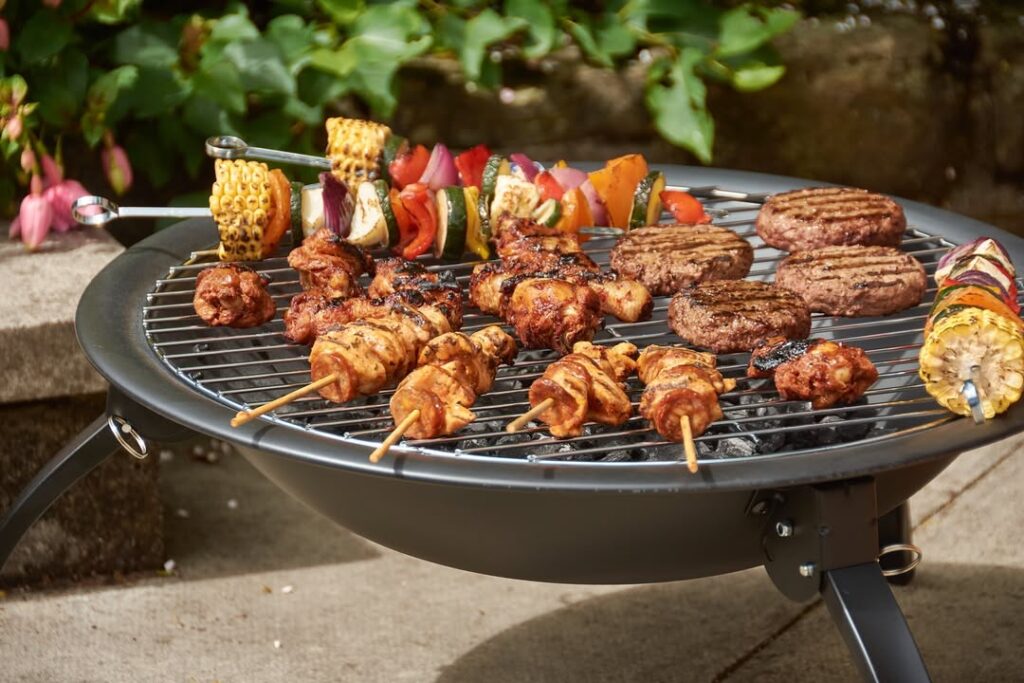
Understanding the BBQ Basics Before Experimenting
Before you go wild with your imagination, you need a solid foundation.
Meat Selection
Your protein defines the game. Each cut has different texture, fat content, and cooking behavior. Top sirloin, pork shoulder, brisket, or chicken all react differently to heat and smoke. Knowing your meat is half the battle.
Fat and Marbling
Fat is flavor. Don’t fear it – embrace it. Marbling ensures juiciness and helps carry smoke flavor into the meat. Leaner cuts need careful cooking to avoid dryness.
The Science of Smoking
- Heat zones: Low and slow for tenderness; high heat for finishing.
- Smoke density: Subtle vs. bold can make or break a flavor profile.
- Wood choice: Oak, hickory, apple, cherry – each adds a unique note.
Mastering the Art of Smoke and Wood Pairing
Wood choice and smoke intensity are game-changers in BBQ. Hickory delivers bold, hearty flavor, while apple and cherry woods provide a sweet, subtle smoke. Oak is a versatile, balanced option.
Don’t be afraid to mix woods to create depth and complexity. Remember, smoke can overpower your meat, so moderation is key. Practice layering flavors by controlling smoke exposure – short bursts vs. long, slow smokes.
Pair your wood with your protein and rub to maximize flavor harmony. Experimenting with different smoke combinations can be the difference between a good recipe and a truly unique BBQ masterpiece.
Rubs, Marinades, and Brines
Balancing salt, sugar, and spices is crucial. Rubs can create a crisp, flavorful bark; marinades infuse moisture and acidity; brines enhance juiciness.
Pitmaster tip: Always experiment with small portions first before committing to a full rack or brisket. You’ll save yourself heartbreak – and a lot of salt.
Choosing the Perfect Rub for Your Signature BBQ
A rub is your first layer of flavor and often defines your BBQ. Experiment with salt, sugar, smoked paprika, chili powder, or coffee grounds to create unique flavor profiles.
Sweet rubs caramelize beautifully on the meat, adding depth, while spicy or smoky rubs enhance the natural taste of the protein. Start with small test batches to find the perfect balance.
Remember, a rub isn’t just seasoning – it’s a texture builder too. Layering multiple rubs or combining dry and wet rubs can create complex, unforgettable flavors. Keep a journal to note what works; your signature BBQ recipe may come from a bold, unexpected spice combination.
Flavor Profiles and Ingredient Combinations
Flavor is the secret sauce of a unique BBQ recipe. You’re not just seasoning meat; you’re orchestrating a balance of sweet, salty, smoky, spicy, and acidic notes.
- Sweet: Honey, brown sugar, molasses, or fruit purees.
- Salty: Kosher salt, soy, miso, or bacon bits.
- Smoky: Wood chips, smoked paprika, or liquid smoke.
- Spicy: Black pepper, cayenne, chili powder, or fresh chilies.
- Acidic: Vinegars, citrus, or wine.
Don’t be afraid to try unexpected combos. Coffee-rubbed ribs, cocoa in a pork rub, or pineapple in a mop sauce can take your BBQ from ordinary to unforgettable.
Document your experiments. Trust me, nothing kills a breakthrough like forgetting what you put on that accidental masterpiece.
The Role of Marinades and Brines in Flavor Infusion
Marinades and brines are secret weapons for juiciness and flavor. Brines add moisture and enhance tenderness, while marinades infuse herbs, spices, and acids for complexity. Citrus, vinegar, soy, or whiskey can add unexpected depth.
Timing matters – too long can overpower, too short can under-flavor. Combine your brine or marinade with your rub for layered, balanced flavors. This technique is especially powerful for lean cuts like sirloin or chicken, which benefit from extra moisture.
Experiment with small portions first and adjust salt, sweetness, and acidity levels. Properly executed, a marinade or brine can elevate a simple BBQ into a signature dish that wows every guest.
Step-by-Step Guide to Inventing Your Own BBQ Recipe
Here’s a systematic approach to crafting your signature dish:
1. Pick Your Protein
Choose a cut with good flavor and texture. Think about cooking time and your guests’ expectations.
2. Select Your Cooking Method
Smoke, grill, roast, or sous vide plus sear. Each method changes texture, moisture, and flavor.
3. Experiment with Rubs and Marinades
Start with small batches. Combine spices, sugar, and herbs in different ratios. Taste often.
4. Choose Your Wood and Smoke Intensity
- Hickory for bold, robust smoke
- Apple/cherry for sweet, subtle smoke
- Oak for balanced flavor
5. Decide on Sauces or Finishing Touches
Glazes, mop sauces, or compound butters can elevate the final bite.
6. Cook, Taste, and Tweak
Don’t be afraid to adjust salt, sugar, or heat. Even pitmasters tweak on the fly.
Pitmaster Tip: Start small, take notes, and remember that balance is everything.
Timing and Temperature: Pitmaster Secrets for Consistency
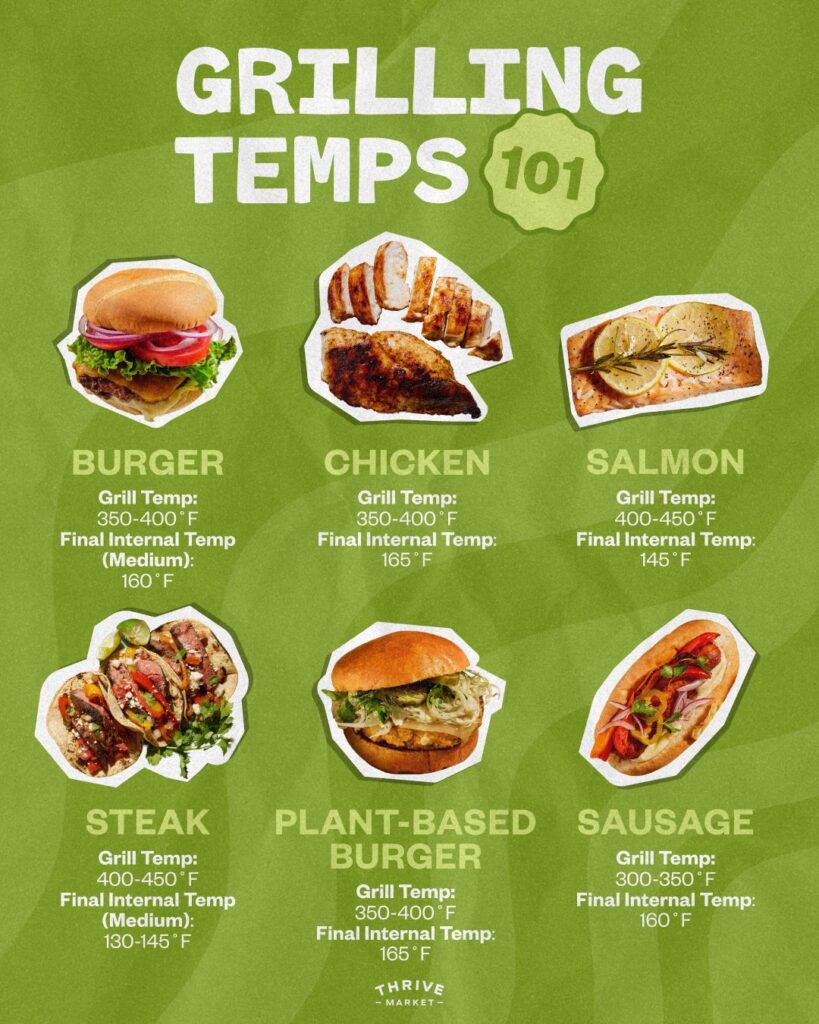
Cooking time and temperature are critical for perfect BBQ. Low-and-slow smoking ensures tender, juicy meat, while a high-heat sear adds a flavorful crust. Internal temperature matters – use a thermometer for accuracy.
Different cuts need different methods: brisket and pork shoulder thrive with long smoke, while steaks and chicken cook quickly. Learning to control heat zones and monitor smoke exposure prevents overcooking or drying out the meat.
Timing also affects sauce application and resting. Properly managing temperature and time ensures your unique BBQ recipe is consistent every time, impressing guests and creating repeatable results worthy of your pitmaster challenge.
Experimentation Techniques for Unique BBQ Recipes
- Layer flavors instead of overloading one element. A sweet rub + tangy glaze often works better than doubling down on sugar.
- Unexpected ingredients: Cocoa, coffee, fruit purees, herbs like tarragon or mint.
- Mix smoke types: A little oak, a touch of cherry – adds depth.
- Document everything: Notes will help you recreate magic or tweak mistakes.
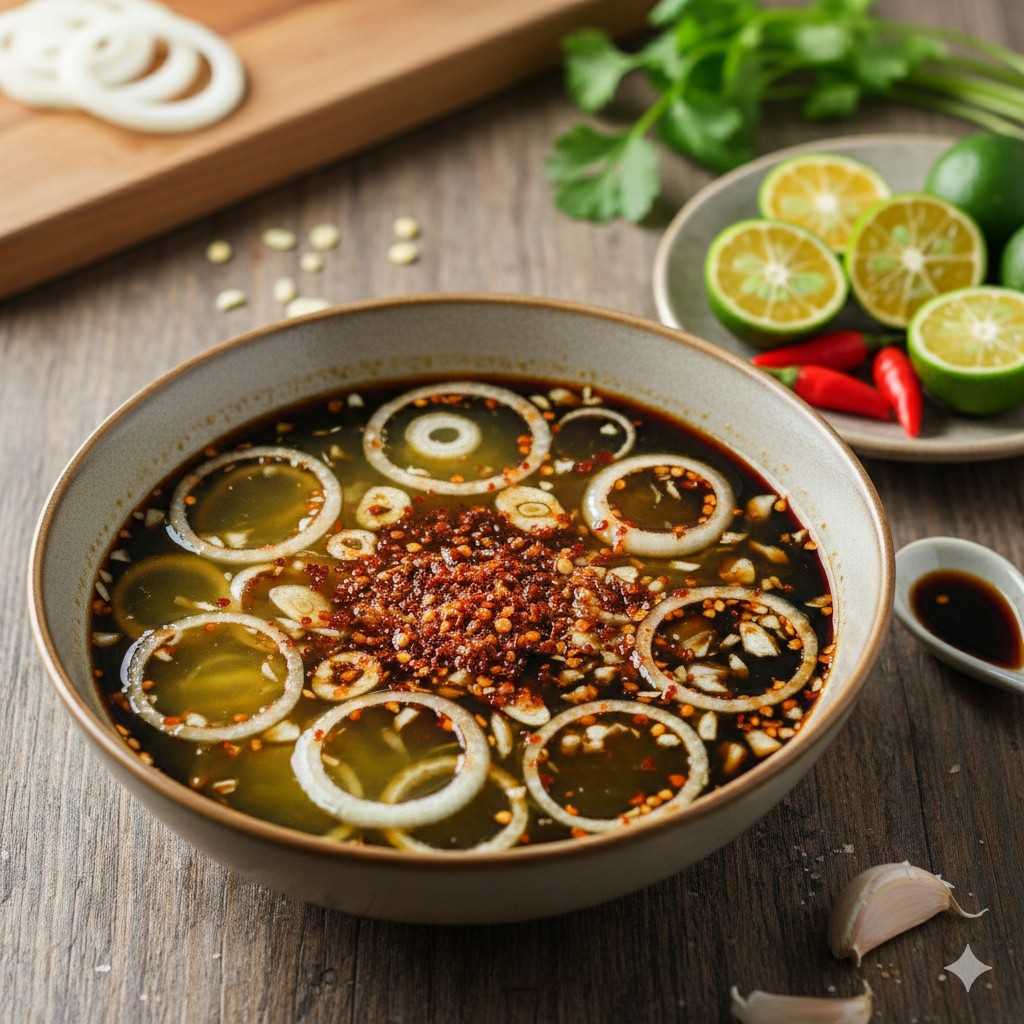
Back in 2019 I attempted to make a marinade experiment by using calamansi (you can use lemon to replace it if you want to try to replicate this marinade), soy sauce, brown sugar, chopped onions and garlic, and some chili powder.
Then I marinated my steak in it overnight in the fridge. The result? A fire-kissed meat that made people frenzy in getting a slice to sample its flavor. And they also loved it.
Experimentation is the pitmaster’s playground – don’t be afraid to play.
Introducing Your Signature Creation: “Calamansi-Fire Smoked Beef Sirloin”
A uniquely Filipino-inspired BBQ recipe built from bold citrus tang, deep smoky heat, and caramelized spice magic.
This one blends your calamansi-soy flavor memory with upgraded complexity, fruity smoke layers, and a finishing glaze that makes every bite unforgettable.
It’s juicy, bright, savory, sweet, spicy – and an absolute show-off dish for the Pitmaster Challenge.
Protein Choice
Cut: Beef Sirloin (well-marbled but not too fatty)
Why? It absorbs marinades beautifully and cooks fast – perfect for bold, layered flavors.
Smoke & Wood
Wood pairing: Oak + a small addition of cherry
→ Oak = foundational smoke
→ Cherry = subtle sweetness + mahogany bark coloration
(Sets your recipe apart visually and aromatically)
The Flavor System
Step 1 – Calamansi Umami Brine (Overnight)
This ensures juicy, flavor-loaded meat from the inside out.
Brine Ingredients
- 1 cup water
- ¼ cup soy sauce
- 2 tbsp calamansi juice (fresh is a must)
- 1 tbsp brown sugar
- 1 tsp black peppercorn
- 3 garlic cloves (lightly smashed)
- 1 small onion (quartered)
How:
Submerge sirloin for 8–12 hours in fridge → pat dry next day
Step 2 – Charred Coffee & Cocoa Dry Rub (Texture + Complexity)
This creates the BBQ’s signature bark.
Rub Ingredients
- 2 tsp finely ground dark roast coffee
- 1 tsp cocoa powder
- 1 tbsp smoked paprika
- 2 tsp brown sugar
- 1 tsp chili powder
- 1 tsp kosher salt
- ½ tsp cracked black pepper
- Optional: pinch of cinnamon to unlock savory sweetness
- Rub generously and rest 30–45 mins at room temp.
Step 3 – Calamansi-Bourbon Honey Glaze (Finishing Magic)
Caramelizes and locks in a glossy signature look.
Glaze Ingredients
- 2 tbsp honey
- 1 tbsp calamansi juice
- 1 tbsp bourbon (or apple juice as non-alcohol alt)
- 1 tsp soy sauce
- ¼ tsp red pepper flakes
- Simmer 3–4 minutes until slightly thick.
Cooking Direction
- Preheat smoker to 250°F (120°C)
- Smoke sirloin for 45–75 minutes, internal temp reaching 115°F (46°C)
- Sear hot and fast over open flame: 1–2 minutes per side
- Brush with glaze while searing for caramelization
- Rest 10 minutes
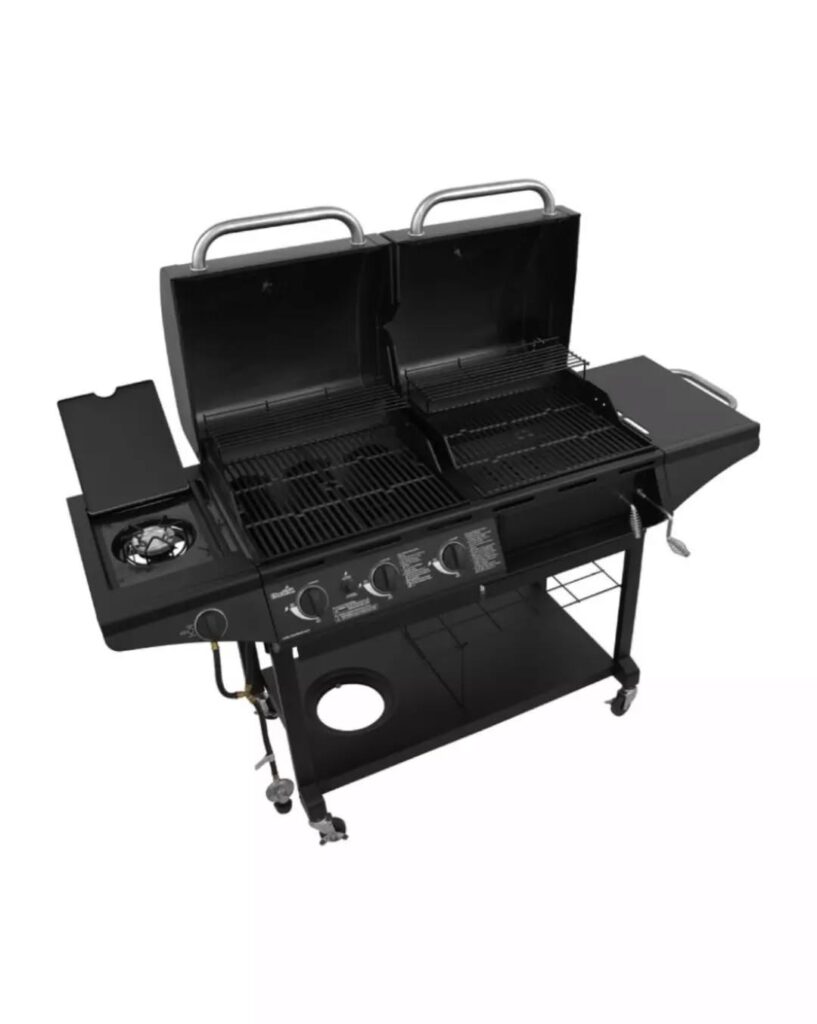
- Slice against the grain to reveal pink, juicy perfection
Final temp target: 130–135°F (54–57°C) for medium-rare sirloin
Optional Enhancements
- Serve with pickled red onions for acidity contrast
- Plate on a wooden board with a drizzle of leftover glaze
- Sprinkle flaky sea salt before serving for a flavor pop
- Pair with craft beer, bourbon, or citrus iced tea
- Add grilled pineapple wedges for tropical flair
What Makes This Recipe Uniquely Yours
✔ Filipino flavor backbone (calamansi, soy)
✔ Experimental rub (coffee + cocoa harmony)
✔ Cherry wood for sweetness and color
✔ Bourbon honey glaze = signature finishing layer
✔ Perfectly balanced: sweet + tangy + smoky + spicy + umami
Name Variations (Pick Your Signature Brand!)
- Calamansi Fire Sirloin
- Cherry Ember Citrus Steak
- Filipino Smoke Sirloin Supreme
- Bourbon Calamansi Blaze BBQ
You can totally claim this as YOUR signature Pitmaster Challenge creation.
Next step? Test it, tweak notes, and post brag-worthy photos.
Note: This is just an example BBQ recipe. You absolutely have the freedom to experiment unique BBQ recipes on your own – and please don’t be afraid to do it. Good luck peeps!
Using Sauces to Add Signature Finishing Touches
A well-crafted BBQ sauce can take your recipe to the next level. Sweet, tangy, smoky, or spicy sauces provide the perfect finishing layer. Consider glazes that caramelize on the meat or mop sauces that enhance moisture during smoking.
Even small additions like compound butters or herb-infused sauces can transform your dish. Pair your sauce with your rub and smoke style for a cohesive, layered flavor profile. The goal is to complement, not overwhelm, your protein.
Experiment with ingredients like honey, bourbon, chipotle, or fruit purées to create a signature flavor your guests will remember.
Testing, Tasting, and Refining Your Recipe
Small batches are key. Cook mini portions to test flavor, tenderness, and smoke intensity.
Taste at every stage and ask yourself:
- Is it balanced?
- Is the smoke overpowering?
- Does the seasoning enhance or mask the meat?
Adjustments:
- Too sweet? Add acid or spice.
- Too smoky? Reduce wood or cooking time.
- Too dry? Increase fat, marinate, or adjust temperature.
Pitmaster Tip: Taste early, taste often, and don’t overcook – the meat will tell you what it needs.
Recording and Documenting Your BBQ Recipes
Keep a BBQ journal or spreadsheet. Record:
- Meat cut and weight
- Rubs, marinades, and sauces
- Wood type and smoking time
- Cooking temperature
- Flavor notes
Tip: Give your creation a name. Not only does it make it fun, but it also helps you remember the recipe next time.
Serving Your Unique BBQ Recipe
Presentation matters. Slice meat across the grain, plate with height, and add garnishes: fresh herbs, pickled vegetables, or microgreens.
- Pair with sides like coleslaw, baked beans, or garlic mashed potatoes.
- Beverages: craft beers, red wine, or bourbon cocktails complement smoky flavors.
- Tip: For dinner parties, prep ahead but finish with heat and smoke to serve fresh.
Showcasing Your BBQ Recipe
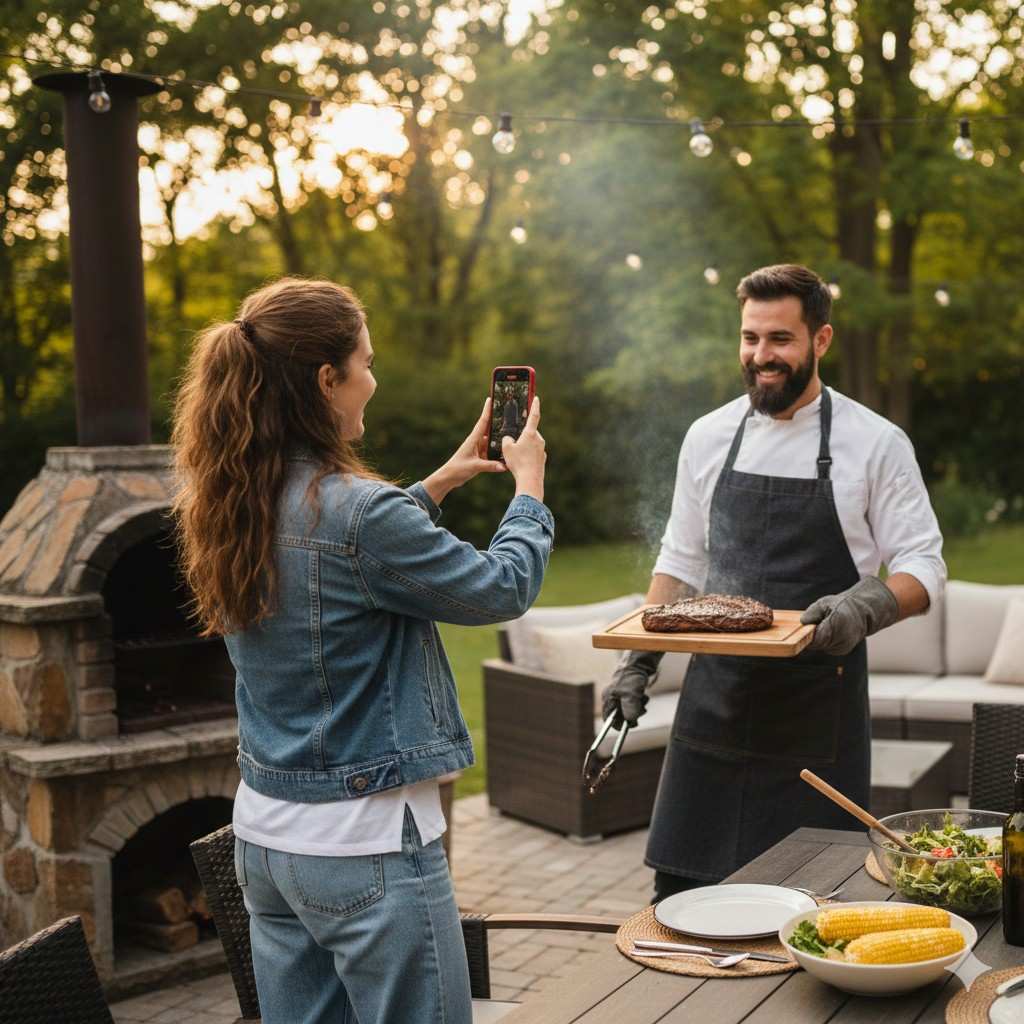
- Share on social media with process shots or short videos.
- Host tasting parties with friends or family.
- Enter competitions – your unique recipe might just win bragging rights.
Remember: creativity deserves an audience. Even if it’s just your backyard crew, show off your masterpiece.
Presentation and Serving Ideas for Maximum Impact
How you present your BBQ can elevate a great recipe into a dinner party showstopper. Slice meats across the grain for tenderness, layer sauces and rubs for visual appeal, and add fresh herbs, pickles, or colorful sides.
Wooden boards, cast-iron skillets, or rustic plates create a professional vibe. Pairing your dish with complementary sides – garlic mashed potatoes, grilled vegetables, or coleslaw – balances flavors and adds variety.
Even a small garnish like a lemon wedge or microgreens signals attention to detail. Presentation doesn’t just look good; it enhances the eating experience and makes your unique BBQ recipe feel truly special.
Common Mistakes to Avoid When Inventing BBQ Recipes
- Over-smoking – subtlety beats heavy-handed smoke.
- Over-salting – flavor balance is key.
- Too many conflicting flavors – simplicity often wins.
- Skipping rest time – meat needs a breather.
- Not testing small batches first – prevent wasted meat.
Pitmaster wisdom: “Even the best burn a rib occasionally – learn, adjust, repeat.”
FAQ: Inventing Your Own Unique BBQ Recipe
1. Do I need special equipment to create a unique BBQ recipe?
Not at all! While smokers and pellet grills add depth, you can experiment on a charcoal or gas grill, or even in a cast-iron skillet.
The key is understanding heat, smoke, and timing, which you can control on any cooking surface.
2. How do I know which meat cut is best for experimentation?
It depends on your goal:
- Brisket and pork shoulder – forgiving, great for low-and-slow smoking.
- Sirloin or ribeye – faster cooking, great for bold rubs or finishing sauces.
- Chicken or ribs – excellent for layering flavors.
Look for marbling and fat content; these carry smoke and seasoning beautifully.
3. Can I really create a “signature” BBQ recipe at home?
Absolutely. A signature BBQ recipe comes from experimenting with spices, rubs, sauces, wood smoke, and cooking methods. Document your trials, adjust based on tasting, and refine until you find the perfect flavor balance. Even backyard cooks can create something memorable.
4. How do I balance flavors in my unique BBQ recipe?
Think in five flavor categories: sweet, salty, smoky, spicy, and acidic.
- Too sweet? Add acid or spice.
- Too smoky? Reduce wood or cooking time.
- Too bland? Boost seasoning gradually.
Tip: start small, taste often, and tweak – balance is the pitmaster’s secret weapon.
5. Should I try unusual ingredients?
Yes! Coffee, cocoa, fruit purees, or unusual herbs can elevate your recipe. Start with small batches and see how it interacts with your meat and smoke. Remember, experimentation is what creates a truly unique BBQ recipe.
6. How do I test my recipe without wasting a lot of meat?
Cook mini portions or smaller cuts first. Taste at multiple stages: after seasoning, after cooking, and after resting. Document your adjustments to refine the recipe before committing to a full rack or brisket.
7. How long should I smoke or cook meat for experimentation?
It depends on the cut and cooking method:
- Low-and-slow smoking: 225–250°F for 1–8 hours (depending on meat).
- Quick sears: high heat 4–6 minutes per side.
Use a meat thermometer to hit the right doneness and avoid overcooking, especially when testing new flavors.
8. Can I make a unique BBQ recipe ahead of time for a dinner party?
Yes. Prep your rubs, marinades, or sauces ahead. Smoke or cook meat a bit early, then finish with heat or a glaze just before serving. Add final touches like fresh herbs or a compound butter at the table to maintain that “pitmaster-fresh” presentation.
9. How do I document and name my unique BBQ recipe?
Keep a BBQ journal or digital log. Include:
- Meat cut and weight
- Rub, marinade, and sauces used
- Wood type and cooking method
- Flavor notes and adjustments
Once you’re happy, give it a fun, memorable name – this helps you track your signature creations and share them proudly.
10. Any tips for sharing my unique BBQ recipe with others?
Host a tasting party, take photos of each stage, or share on social media. Include notes on flavor, smoking technique, and side pairings. People love to hear the story behind the recipe – it’s part of what makes a BBQ recipe truly memorable.
Final Thoughts and Encouragement
Creating a unique BBQ recipe is about curiosity, patience, and a little courage. Break the rules, try bold flavor combos, and experiment with cooking methods.
Your signature BBQ recipe will emerge through trial, error, and tasting, and the satisfaction of serving something truly yours is worth every burnt edge and smoke-filled afternoon.
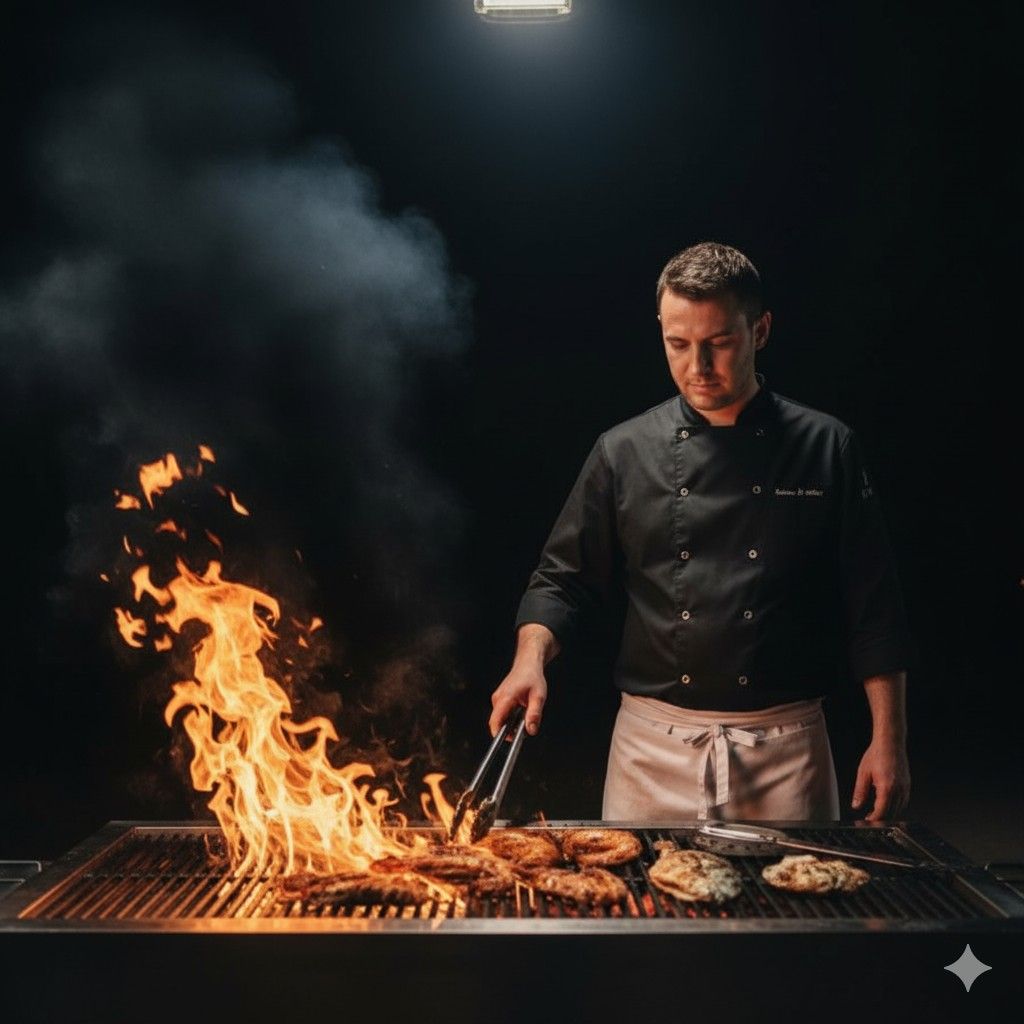
So grab your smoker, fire up the grill, and embrace the Pitmaster Challenge. In BBQ, originality is your secret sauce – go invent it.
Featured image credit: @allbeefcatering_smokehou
