
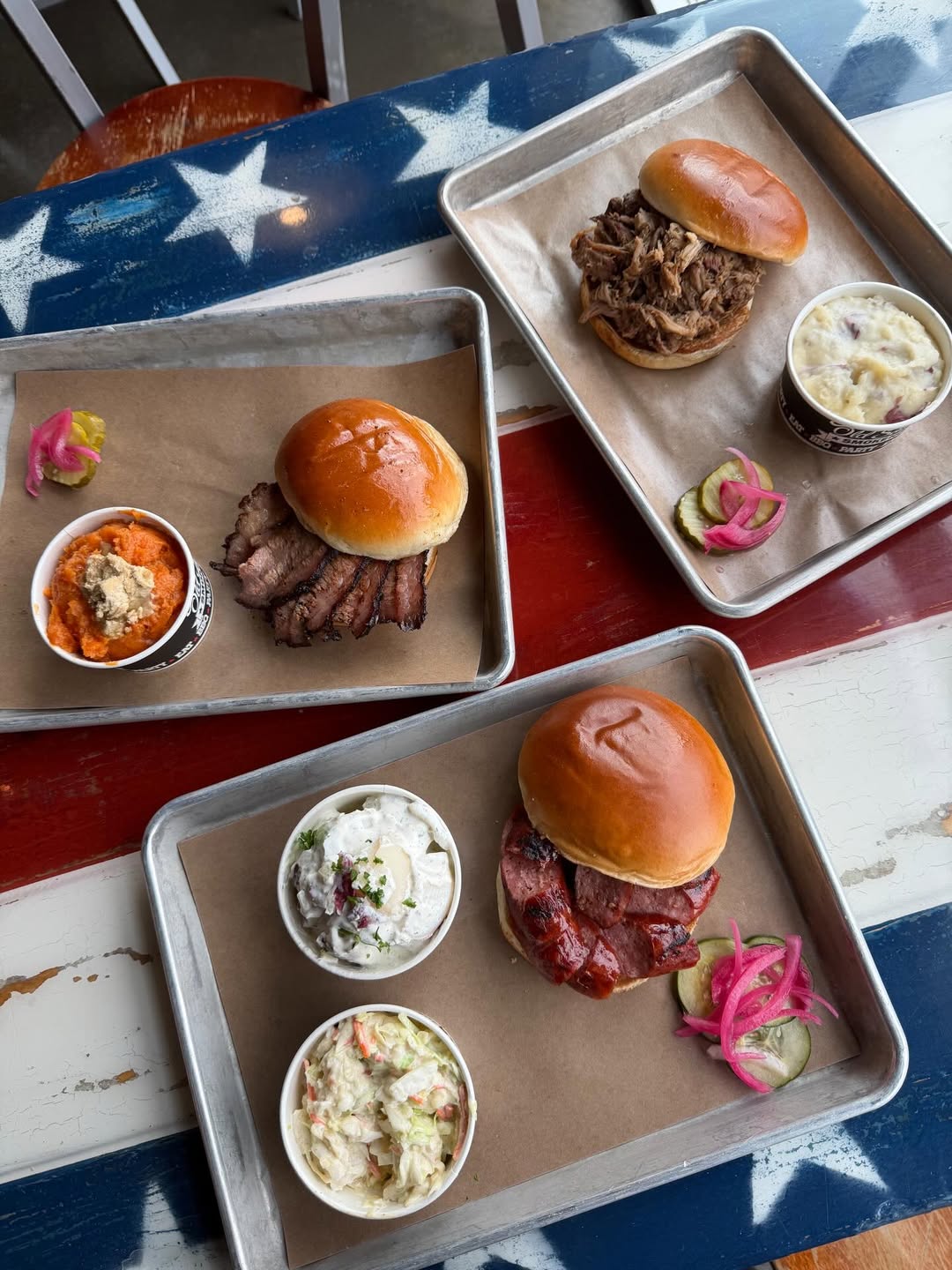
Nothing beats the smell of a Southern Texas BBQ in full swing. The smoke drifting over a backyard, the sizzle of a brisket hitting the grate, and that first bite of tender, flavorful meat – this is BBQ in its purest form.
Today, I’m sharing my classic Texas brisket recipe, with tips, techniques, and a few insider tricks that only come from years behind the smoker.
Whether you’re hosting friends or just treating yourself, this guide will have you smoking like a pro.
What Makes Southern Texas BBQ Unique
Here’s the deal: Southern Texas BBQ is all about simplicity and flavor.
Unlike saucy Memphis or Carolina BBQ, Texas focuses on the meat. A brisket doesn’t need layers of sauce to impress – it needs smoke, patience, and the right seasoning.
A few hallmarks:
- Minimalist rubs: just salt, pepper, and occasionally garlic or paprika.
- Slow, low smoking: 225–250°F over several hours.
- Wood choice: oak, pecan, or mesquite – each adds its own personality.
This isn’t just cooking – it’s a ritual. And when done right, the flavors speak louder than any fancy sauce ever could.
Choosing the Perfect Brisket
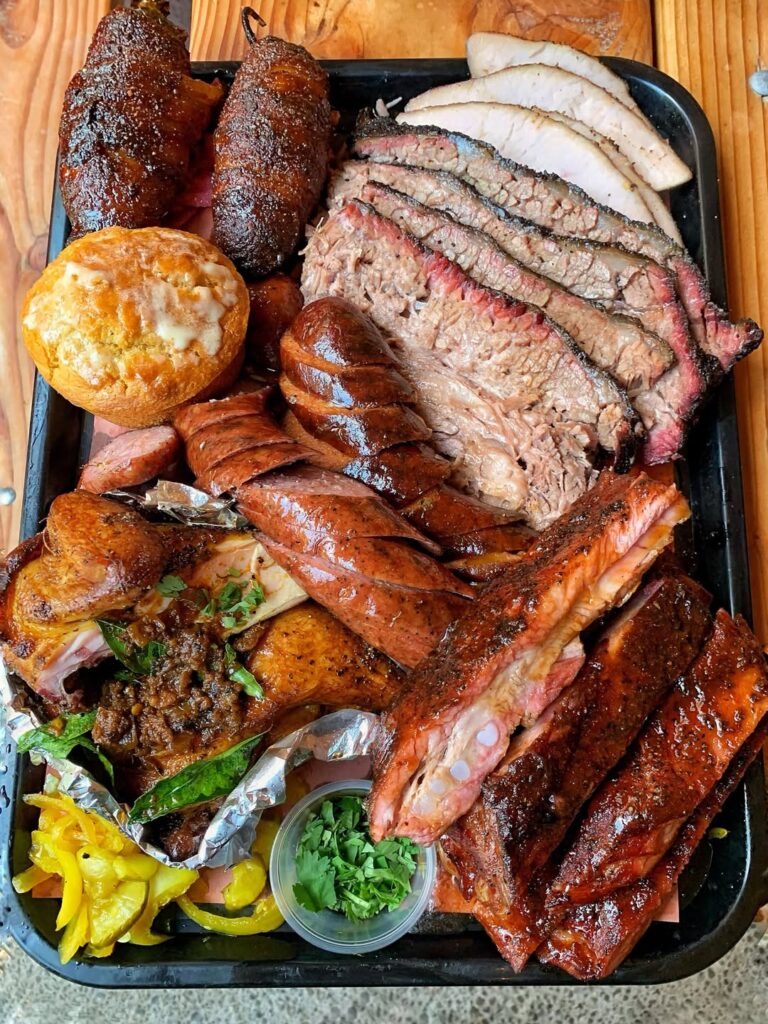
The foundation of any great Southern Texas BBQ is the brisket itself. Not all briskets are created equal, so knowing what to look for is key.
A good packer brisket has a balance of fat and meat, usually 10–12 pounds for a whole cut.
Look for a moderate fat cap – too thick and it will be greasy; too thin and your brisket can dry out. Marbling is your friend, adding flavor and tenderness as it smokes.
While Wagyu might sound tempting, classic Texas BBQ thrives on quality Angus or local beef.
Don’t stress over small imperfections; nature gives every brisket its own personality. And remember, selecting your brisket is half the battle – investing time in choosing a good cut saves you from a long day of smoking disappointment.
A confident selection sets the stage for BBQ greatness.
The Science of Smoke
Smoke isn’t just atmosphere – it’s flavor. In Southern Texas BBQ, understanding the type of wood and smoke behavior is crucial. Oak is classic, giving a balanced, subtle flavor. Pecan adds sweet notes that complement beef, while mesquite is strong, punchy, and unmistakably Texan.
Too much smoke can make the meat bitter, while too little leaves it bland. The trick is thin, steady smoke and patience – think curling wisps, not roaring flames.
Temperature control ties directly into smoke quality: low and steady ensures the smoke penetrates the meat without burning.
Pro pitmasters also rotate wood placement and monitor wind direction if cooking outdoors. Smoke is a flavor conversation – get it right, and every bite whispers, “Texas.”
Rub Techniques That Really Work
The simplicity of a Southern Texas BBQ rub is deceptive. Salt and pepper are the backbone, but how you apply them matters. Lightly pressing the rub ensures it sticks without forming a crust too early.
Layer flavors subtly – optional garlic or paprika can enhance aroma without overshadowing the beef. Timing is key: applying the rub an hour before cooking allows the flavors to marry with the meat; overnight refrigeration gives even deeper penetration.
Some pitmasters swear by a second light dusting before hitting the smoker. Avoid heavy-handed approaches – Texas BBQ is about confidence in restraint. The right rub complements smoke, doesn’t fight it, highlighting the natural richness of the brisket rather than masking it.
Temperature Mastery and the Texas Crutch
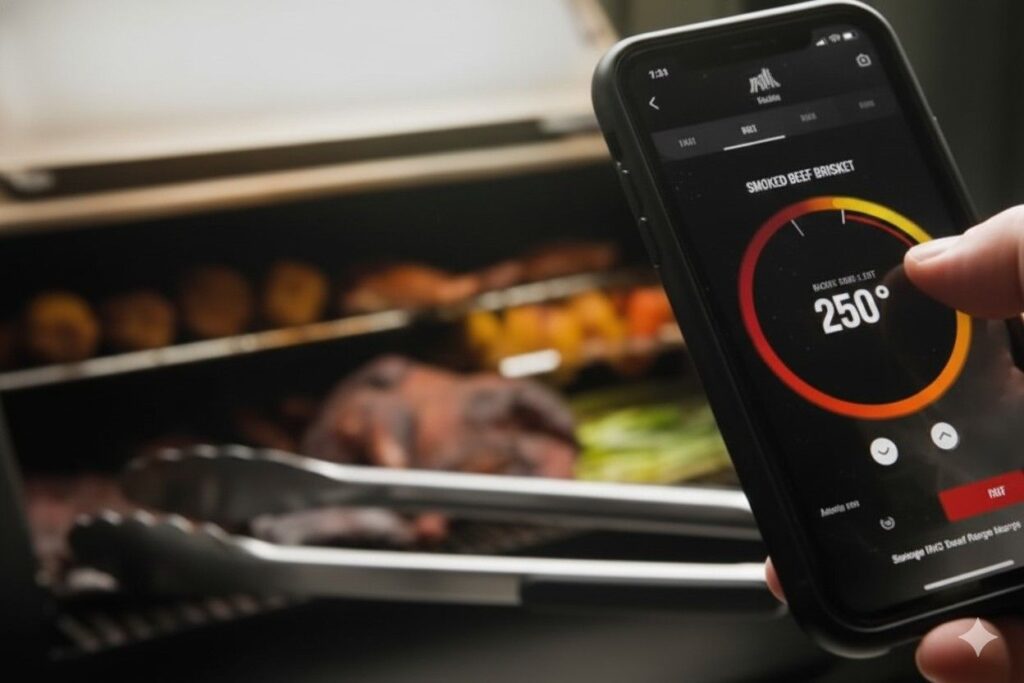
Low-and-slow is more than a saying – it’s a principle. Maintaining a 225–250°F smoker keeps brisket tender while letting flavors develop naturally. Inconsistent heat is a brisket killer, causing uneven cooking and dry edges.
Enter the “Texas Crutch”: wrapping brisket in foil or butcher paper halfway through the smoke. This traps moisture, speeding the cooking process and softening the bark.
Pros debate foil versus paper, but either helps push the meat through the stall (that plateau where internal temp stalls around 160°F). Monitoring internal temperature is crucial: 195–203°F is the sweet spot.
Rest afterward locks in juices. Master temperature, and you’re halfway to BBQ legend.
Side Dishes That Complement Texas BBQ
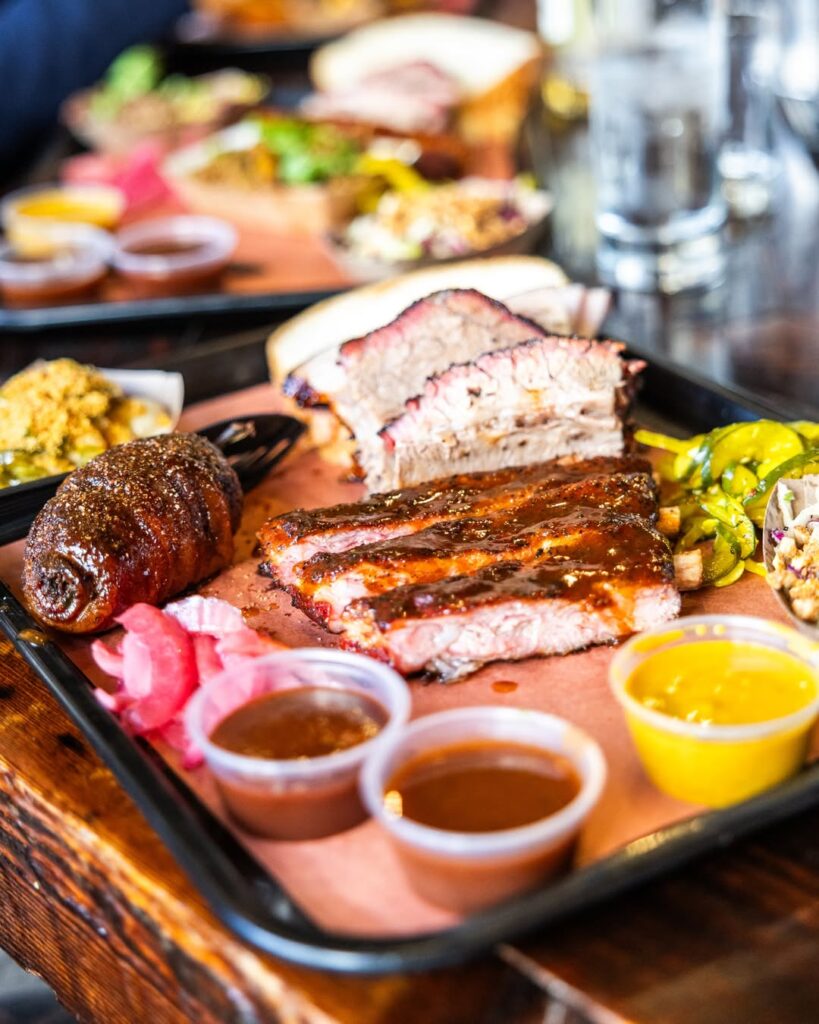
A Southern Texas BBQ isn’t just about meat – it’s the sides that round out the plate. Classic pairings include pickles, raw onions, and buttery Texas toast. Some pitmasters add potato salad or beans, but remember: simplicity is king.
Bold flavors should complement, not compete with, the brisket. For modern flair, try grilled vegetables with a hint of smoke or a tangy slaw to cut through richness. Drinks matter too: ice-cold beer, sweet tea, or a smoky bourbon amplify the experience.
Even dessert can reflect the BBQ ethos – a peach cobbler on a smoker warms the soul. Think of sides as supporting actors – they elevate the main star without stealing the scene.
Common Mistakes to Avoid
Even experienced pitmasters slip up occasionally. Common Southern Texas BBQ mistakes include rushing the smoke, over-saucing, and inconsistent trimming. Brisket needs patience; opening the smoker frequently loses heat and smoke, slowing progress.
Over-saucing masks flavor instead of enhancing it – Texas BBQ shines with restraint. Another trap: ignoring fat distribution during trimming, leading to dry or unevenly cooked meat. Lastly, underestimating resting time is a rookie error – cut too soon, and juices escape.
Every brisket is a teacher; pay attention, adjust, and learn. Avoiding these missteps ensures your BBQ is tender, smoky, and undeniably Texan.
Serving & Slicing
The big payoff is finally here. Slice against the grain – you’ll feel like a hero with each tender bite.
- Serve with classic sides: pickles, onions, and Texas toast.
- Sauce is optional – good brisket doesn’t need drowning. Offer a light drizzle for the sauce lovers.
- Leftovers? Wrap them tight in foil and refrigerate. Reheat gently; brisket deserves patience even in leftovers.
Pitmaster tip: don’t skimp on slicing thickness. Too thick = chewy; too thin = lost in the napkin. Just right = heavenly.
Tips & Tricks for Perfect Southern Texas BBQ
- Quality beef and low, slow smoke are non-negotiable.
- Maintain a steady temperature. Fluctuations = uneven cooking.
- Patience is your friend. Brisket isn’t fast food.
- Experiment with wood blends for unique flavors – oak and pecan together make magic.
And one last thing: trust your instincts. Every brisket is different. Listen to it, feel it, smoke it.
Southern Texas BBQ the Definitive BBQ Style in the BBQ World
There you have it: a Southern Texas BBQ brisket recipe designed to impress, satisfy, and maybe even convert a few BBQ skeptics. The flavors speak for themselves: smoky, tender, and unapologetically Texas.
So fire up that smoker, grab a cold drink, and enjoy the process. Because the best BBQ isn’t just the end result – it’s the memories you make along the way.
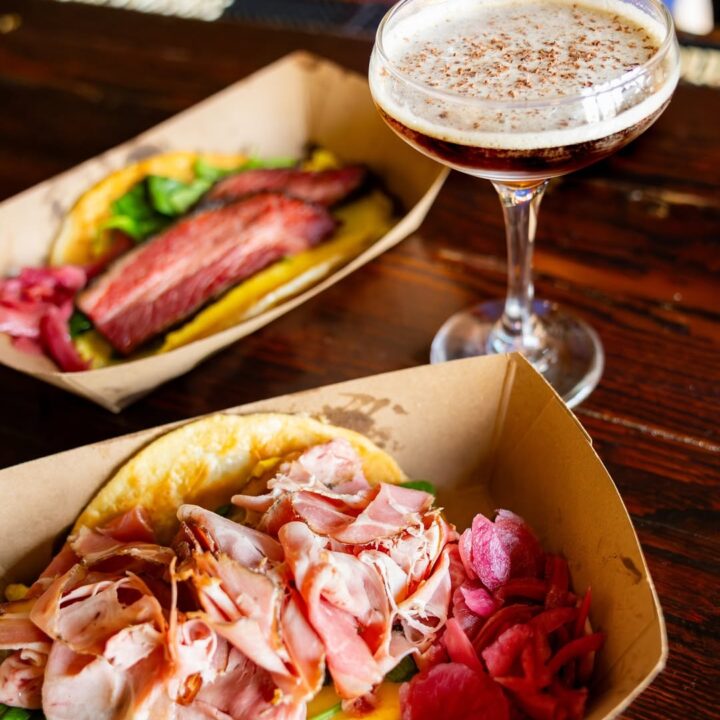
Southern Texas BBQ Recipe
Image credit: @southernjunction716
Ingredients
Tools
- Smoker or grill: offset smokers are ideal, but any stable low-and-slow setup works.
- Meat thermometer: know when to pull the brisket. Guessing = heartbreak.
- Wood chunks or chips: oak, pecan, mesquite – your choice.
- Sharp knives and cutting board: slicing against the grain is everything.
Ingredients (for one brisket, 10–12 lbs)
- Whole packer brisket
- Kosher salt & coarse black pepper (the classic Texas rub)
- Optional: garlic powder or paprika for a subtle kick
- Wood for smoking: oak, pecan, or mesquite
- Pro tip: buy the best beef you can. This is Texas – we’re picky for a reason.
Instructions
Preparing the Brisket
Trimming and seasoning your brisket is where the magic begins.
- Trim carefully: leave a thin fat cap; too much fat and it gets greasy, too little and it dries out.
- Apply the rub: equal parts salt and pepper, lightly pressed. Don’t rub like you’re kneading dough – gentle pressure works.
- Rest: let the rub sit for 1–2 hours at room temp or overnight in the fridge. This lets flavors sink in.
- Optional: tie the brisket to keep it uniform for even cooking.
A good pitmaster knows: preparation is 50% of the battle. And yes, patience counts.
Smoking & Cooking Techniques
Now, the part that separates the amateurs from the pros: the smoke.
- Preheat your smoker to 225–250°F. Consistency beats high temps every time.
- Wood choice: oak for a balanced smoke, pecan for sweet notes, mesquite for that punchy, classic Texas flavor. Add wood every hour or so to maintain a clean smoke.
- Placement: fat-side up for drip-basting, fat-side down if heat comes from below. Know your smoker.
- Timing: 1–1.5 hours per pound. Yes, that’s a long haul. If it were easy, everyone would do it.
- Texas Crutch: wrapping in foil halfway through keeps it moist. Pros argue about this, but honestly, do what works for you.
- Check internal temp: aim for 195–203°F. Anything less = tough meat, anything more = brisket heartbreak.
- Rest the meat: let it sit at least an hour. This redistributes juices and avoids a dry slice.
Pro tip: resist the urge to peek. Every time you open the smoker, you lose heat and smoke. Your brisket will thank you.
Featured image credit: @oldsouthernbbq
